
4 Important Roles of Steel in Nigeria’s Infrastructure Development
Introduction
Infrastructure is the backbone of any developing economy, and in Nigeria, the demand for better roads, bridges, rail systems, and buildings continues to grow. At the center of all these developments is one essential material: steel.
Steel is not just another construction input. It is the structural foundation that makes modern infrastructure possible. As Nigeria continues to invest in large-scale projects, the role of steel becomes even more critical in shaping the country’s future.
Why Steel Is Essential for Infrastructure
Steel is widely used because of its strength, durability, and flexibility. It can withstand heavy loads, resist environmental stress, and adapt to different construction needs.
From highways and airports to high-rise buildings and industrial facilities, steel provides the structural support that keeps structures stable and durable. Without it, many of today’s modern infrastructure projects would not be feasible.
Powering Road and Bridge Construction
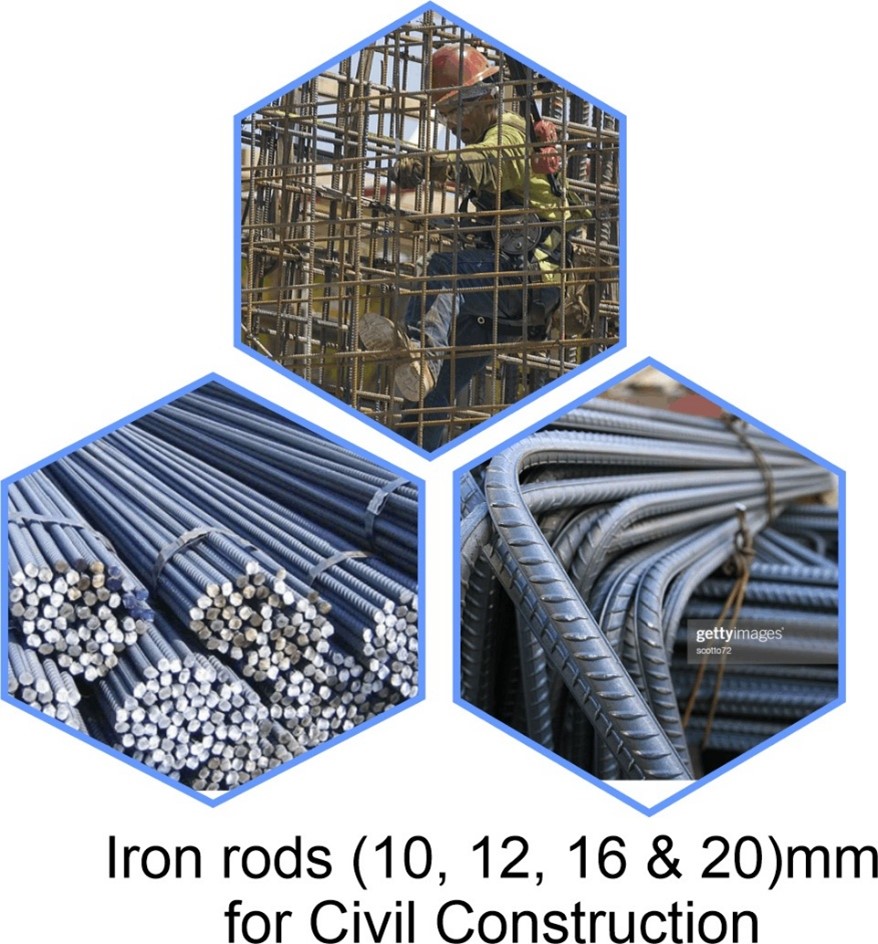
Nigeria’s road and bridge networks rely heavily on steel for reinforcement and structural integrity. Steel bars, beams, and plates are used to strengthen concrete and ensure that roads and bridges can handle heavy traffic over time.
As the government continues to invest in expanding transportation networks, the demand for steel will only increase. Reliable access to quality steel is essential to ensure that these projects are completed efficiently and built to last.
Supporting Rail and Transportation Systems
Rail transport is gaining renewed attention in Nigeria as a solution to reduce road congestion and improve logistics. Steel plays a central role in rail development, from the tracks themselves to the supporting structures and stations.
Modern rail systems require high-quality steel for safety, durability, and long-term performance. As Nigeria expands its rail infrastructure, local steel production becomes increasingly important.
Enabling Urban Development and Housing
Rapid urbanization across Nigeria has led to a surge in demand for housing and commercial buildings. Steel is a key material in both residential and large-scale construction projects.
It is used in structural frameworks, roofing, reinforcement, and finishing components. Its versatility allows architects and engineers to design more efficient and modern buildings that meet growing urban needs.
Boosting Industrial Infrastructure
Beyond public infrastructure, steel is also vital for building factories, warehouses, and industrial plants. These facilities require strong and reliable materials to support heavy machinery and continuous operations.
As Nigeria pushes toward industrialization, the need for steel in developing industrial zones and manufacturing hubs continues to rise.
The Importance of Local Steel Production
While demand for steel is high, a large portion is still imported. This can lead to delays, increased costs, and exposure to global market fluctuations.
Local steel manufacturing offers several advantages:
- Faster availability of materials
- Reduced construction costs over time
- Greater control over quality and supply
- Support for local industries and job creation
Strengthening local production ensures that infrastructure projects are not slowed down by supply challenges.
Challenges Affecting Steel Supply for Infrastructure
Despite its importance, the steel supply chain in Nigeria faces a number of challenges:
- Inconsistent power supply affecting production
- High cost of raw materials and logistics
- Dependence on imported inputs
- Policy and regulatory uncertainties
Addressing these issues will be key to ensuring a steady and reliable supply of steel for infrastructure development.
Conclusion
Steel remains at the heart of Nigeria’s infrastructure growth. From transportation and housing to industrial expansion, it plays a vital role in building the systems that support economic development.
As the country continues to invest in infrastructure, strengthening local steel manufacturing will be essential. It will not only support ongoing projects but also lay the foundation for a more resilient and self-sufficient economy.
