
Why Steel Manufacturing Is Critical to Nigeria’s Industrial Growth
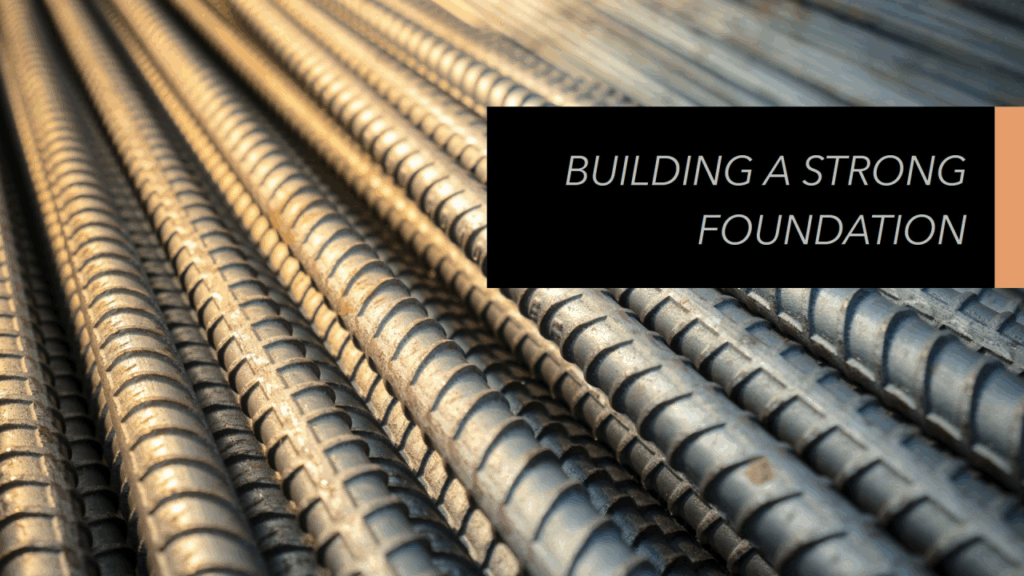
Steel is often described as the backbone of industrial development, and for a country like Nigeria, this statement holds true more than ever. From construction and transportation to energy and manufacturing, steel plays a central role in shaping economic progress.
As Nigeria continues to push for industrialization and reduce dependence on imports, the importance of a strong local steel manufacturing sector cannot be overstated. It is not just about producing materials; it is about building a foundation for long-term economic growth.
Steel as the Foundation of Industrial Development
Every major economy in the world has relied on steel at some point in its development journey. Steel is used in building roads, bridges, rail systems, factories, and even power infrastructure. Without it, large-scale development would simply not be possible.
In Nigeria, the demand for steel continues to rise due to ongoing infrastructure projects and urban expansion. However, a significant portion of this demand is still met through imports. Strengthening local steel production allows the country to take control of its development and reduce reliance on external markets.
Supporting Nigeria’s Construction and Infrastructure Needs
The construction industry is one of the largest consumers of steel in Nigeria. From residential buildings to commercial complexes and public infrastructure, steel is a key component.
Locally produced steel ensures:
- Faster access to materials
- Reduced project delays
- Lower construction costs over time
When steel is readily available within the country, developers and contractors can execute projects more efficiently, which ultimately accelerates national development.
Driving Industrialization and Manufacturing Growth
Steel manufacturing does not operate in isolation. It supports a wide network of industries including:
- Automotive production
- Machinery and equipment manufacturing
- Oil and gas infrastructure
- Shipbuilding and fabrication
A strong steel sector creates a ripple effect across the economy, enabling other industries to grow and thrive. This interconnected system is what drives true industrialization.
Job Creation and Economic Impact
One of the most significant benefits of steel manufacturing is its ability to create jobs at multiple levels. From raw material sourcing to factory operations and distribution, the value chain is extensive.
Steel production supports:
- Direct employment in factories and plants
- Indirect jobs in logistics, supply, and maintenance
- Opportunities for small and medium-sized enterprises
As local production increases, more jobs are created, and income circulates within the economy, contributing to overall economic stability.
Reducing Import Dependence
Nigeria spends a substantial amount of foreign exchange on importing steel products. This puts pressure on the country’s currency and limits economic resilience.
By investing in local steel manufacturing:
- Foreign exchange is conserved
- Local industries become more competitive
- The economy becomes more self-reliant
Reducing import dependence is a key step toward sustainable economic growth.
Encouraging Investment and Innovation
A growing steel industry attracts both local and foreign investors. It opens the door for:
- Modern manufacturing technologies
- Infrastructure development
- Skills transfer and workforce development
As investment increases, so does the capacity for innovation, which helps Nigerian manufacturers compete on a global scale.
Challenges That Must Be Addressed
Despite its potential, the steel industry in Nigeria still faces several challenges, including:
- Inconsistent power supply
- High production costs
- Policy and regulatory uncertainties
- Limited access to long-term financing
Addressing these issues will be critical to unlocking the full potential of the sector.
Conclusion
Steel manufacturing is more than just an industry; it is a strategic pillar for Nigeria’s economic future. It supports infrastructure, drives industrial growth, creates jobs, and reduces dependence on imports.
For Nigeria to achieve sustainable industrial development, strengthening the local steel sector must remain a top priority. With the right investments, policies, and partnerships, the industry can play a transformative role in shaping the nation’s growth story.
