
How Local Steel Manufacturing Can Reduce Import Dependence and Drive Economic Growth
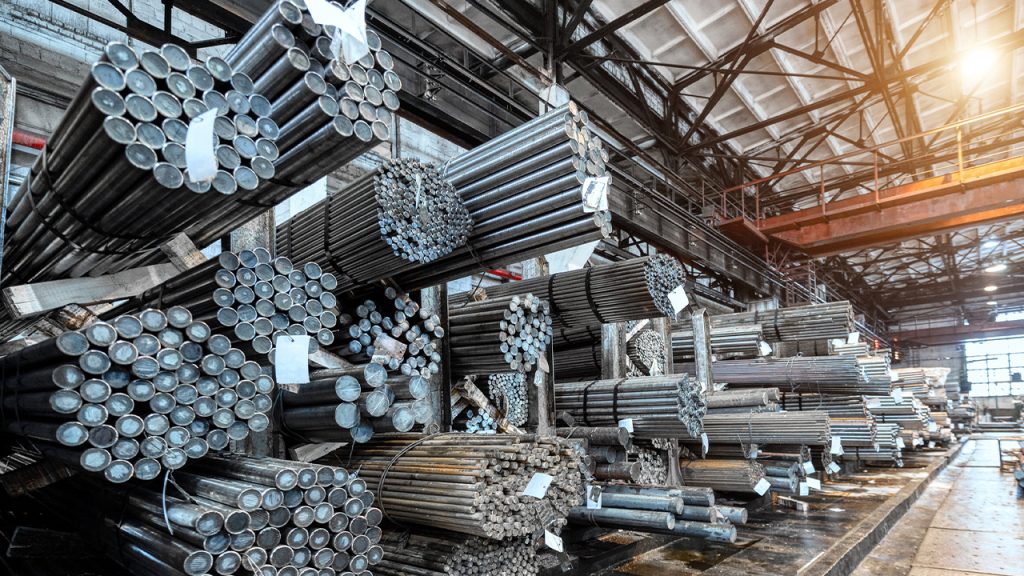
Steel remains one of the most important building blocks of modern industrial development. From construction and infrastructure projects to automotive manufacturing, energy, machinery, packaging, and engineering, steel serves as a critical raw material across numerous sectors.
However, many developing economies continue to rely heavily on imported steel products to meet domestic demand. This dependence often leads to foreign exchange pressure, supply chain disruptions, higher production costs, and exposure to global price fluctuations.
Strengthening local steel manufacturing presents a sustainable pathway toward industrial self-reliance, economic growth, and long-term development. By investing in domestic steel production capacity, countries can significantly reduce import dependence while creating opportunities for businesses, workers, and the broader economy.
Strengthening Industrial Self-Reliance
A strong local steel industry enables a nation to meet a substantial portion of its steel requirements without relying excessively on foreign suppliers. Domestic production provides greater control over the availability of critical materials required for construction, manufacturing, and infrastructure development.
By reducing dependence on imported steel, countries become less vulnerable to international market shocks, geopolitical tensions, trade restrictions, and supply shortages that can disrupt economic activities.
Conserving Valuable Foreign Exchange
Steel imports often account for a significant share of industrial import expenditures, placing pressure on foreign exchange reserves. As demand for steel continues to grow, countries that rely heavily on imports face increasing challenges in managing foreign currency outflows.
Expanding local steel manufacturing helps reduce import bills, allowing governments and businesses to preserve foreign exchange for strategic investments such as technology acquisition, healthcare, education, transportation, and infrastructure development.
Creating Employment and Economic Opportunities
The steel industry supports employment across an extensive value chain. Jobs are created not only within steel plants but also in mining, raw material processing, transportation, engineering services, maintenance, fabrication, and distribution networks.
As local steel manufacturing expands, thousands of direct and indirect employment opportunities emerge, contributing to income generation, skills development, and improved living standards for communities.
Furthermore, a thriving steel sector stimulates entrepreneurship and creates opportunities for small and medium-sized enterprises that supply goods and services to the industry.
Supporting Infrastructure Development
Infrastructure development depends heavily on a reliable supply of steel products. Roads, bridges, railways, power plants, airports, housing projects, and industrial facilities all require significant volumes of steel.
Locally produced steel helps ensure consistent availability of materials, reducing delays associated with import logistics and international shipping challenges. This enables governments and private sector developers to execute projects more efficiently, maintain budgets, and accelerate economic development.
Enhancing Supply Chain Stability
Recent global events have highlighted the vulnerability of international supply chains. Economic crises, shipping bottlenecks, trade disputes, and geopolitical tensions can significantly impact the availability and pricing of imported steel products.
A robust domestic steel manufacturing sector provides greater supply security and resilience. Businesses can access critical materials more quickly and reliably, reducing operational risks and improving production planning.
Encouraging Growth of Downstream Industries
Local steel production serves as the foundation for numerous downstream manufacturing sectors. Industries such as automotive components, construction materials, industrial equipment, engineering products, household appliances, and metal fabrication rely heavily on steel inputs.
When steel is readily available within the country, these industries can expand production, reduce costs, improve competitiveness, and create additional employment opportunities. This generates a powerful multiplier effect that strengthens the entire manufacturing ecosystem.
Promoting Technological Advancement and Innovation
Investment in modern steelmaking facilities often drives technological innovation and industrial modernization. Advanced steel plants utilize cutting-edge technologies that improve productivity, efficiency, and product quality.
The ability to manufacture specialized steel grades locally reduces the need to import premium steel products for high-value applications. This strengthens local industrial capabilities and supports sectors that require advanced materials for sophisticated manufacturing processes.
Driving Sustainable Economic Growth
Modern steel manufacturing is increasingly focused on sustainability. New technologies enable energy-efficient production, increased recycling of scrap materials, reduced waste generation, and lower carbon emissions.
By adopting environmentally responsible production methods, local steel manufacturers can contribute to national sustainability goals while supporting industrial expansion. A competitive and sustainable steel sector provides long-term economic benefits and strengthens national resilience.
The Strategic Importance of Local Steel Manufacturing
For any country seeking industrial growth and economic transformation, developing a strong local steel manufacturing industry is not merely an option—it is a strategic necessity.
A thriving domestic steel sector helps:
- Reduce dependence on imports
- Conserve foreign exchange reserves
- Create employment opportunities
- Strengthen supply chain resilience
- Accelerate infrastructure development
- Support downstream manufacturing industries
- Encourage technological innovation
- Promote sustainable economic growth
Conclusion
Local steel manufacturing plays a vital role in building a resilient and self-sufficient economy. By reducing reliance on imported steel products, countries can strengthen industrial capacity, improve economic stability, create jobs, and unlock new opportunities for growth.
With supportive government policies, strategic investments, modern technologies, and strong private sector participation, local steel producers can become key drivers of national development, helping to build a more prosperous, competitive, and industrialized economy.
