
The Economic Benefits of Investing in Nigeria’s Steel Industry
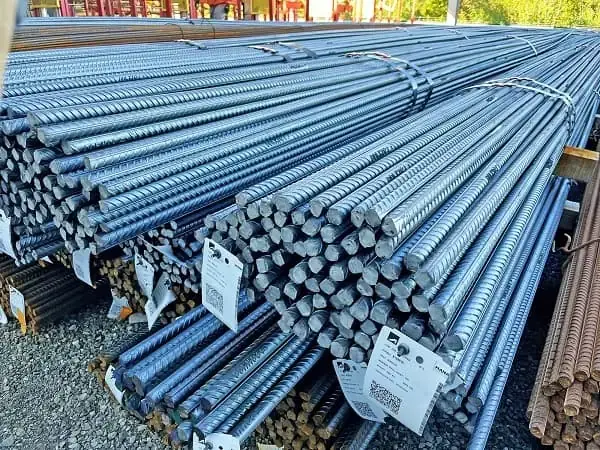
Nigeria stands at a critical point in its economic development journey. As the nation seeks to diversify its economy beyond oil and build a more sustainable industrial base, Nigeria’s steel industry presents one of the most promising investment opportunities. Steel remains the backbone of industrialization worldwide, supporting infrastructure development, manufacturing, transportation, construction, and energy projects. Investing in Nigeria’s steel sector offers significant economic benefits that extend far beyond the industry itself.
The Foundation of Industrial Growth
Every industrialized nation has relied heavily on a strong steel sector during its development phase. Steel is essential for constructing roads, bridges, railways, factories, power plants, warehouses, and residential buildings. Without a reliable steel supply, large-scale industrial and infrastructure development becomes difficult and expensive.
Nigeria’s growing population, urbanization, and infrastructure deficit continue to drive demand for steel products. By strengthening local steel production, the country can support its industrial growth while reducing dependence on imported materials.
Job Creation Across the Value Chain
One of the most immediate economic benefits of investing in the steel industry is employment generation. The steel value chain creates opportunities across multiple sectors, including:
- Mining and extraction of raw materials
- Manufacturing and processing
- Logistics and transportation
- Engineering and fabrication
- Construction and infrastructure development
- Equipment maintenance and support services
As investments increase, thousands of direct and indirect jobs can be created, helping to reduce unemployment while improving household incomes. Recent government projections suggest that a revitalized steel sector could generate hundreds of thousands of jobs in the coming years.
Reducing Import Dependence and Conserving Foreign Exchange
Nigeria spends substantial amounts of foreign exchange importing steel products annually. This dependence exposes the country to fluctuating global prices, supply chain disruptions, and currency volatility.
Investing in local steel production helps:
- Reduce import bills
- Conserve foreign exchange reserves
- Improve the balance of trade
- Strengthen economic resilience
By producing more steel domestically, Nigeria can redirect resources toward other critical sectors while building a more self-reliant economy.
Supporting Infrastructure Development
Infrastructure development remains one of Nigeria’s top economic priorities. Roads, rail networks, airports, seaports, power plants, and housing projects all require large quantities of steel.
A strong domestic steel industry ensures:
- Faster access to construction materials
- Reduced project delays
- Lower transportation costs
- More competitive project pricing
Local availability of steel can significantly accelerate infrastructure projects while supporting national development goals.
Stimulating Manufacturing and Industrialization
Steel is not an isolated industry. It serves as a critical input for numerous sectors, including:
- Automotive manufacturing
- Machinery and equipment production
- Oil and gas infrastructure
- Agriculture and agro-processing equipment
- Shipbuilding and fabrication
- Consumer goods manufacturing
A thriving steel industry creates a multiplier effect throughout the economy by supplying affordable raw materials to manufacturers. This encourages industrial expansion, improves productivity, and strengthens Nigeria’s manufacturing capacity.
Attracting Local and Foreign Investment
A well-developed steel sector attracts significant domestic and international investment. Investors are often drawn to industries with strong growth potential, abundant raw materials, and large market demand.
Nigeria possesses substantial deposits of iron ore and other mineral resources necessary for steel production. Combined with government incentives and ongoing sector reforms, these resources create an attractive environment for investment. Increased investment also drives technology transfer, skills development, and innovation across the industry.
Driving Economic Diversification
For decades, Nigeria’s economy has relied heavily on oil revenues. However, fluctuations in global oil prices have highlighted the need for economic diversification.
The steel industry offers a strategic pathway toward:
- Expanding the industrial sector
- Increasing non-oil revenue generation
- Supporting export growth
- Creating sustainable economic opportunities
A stronger steel sector contributes to a more balanced and resilient economy capable of withstanding external shocks.
Enhancing Competitiveness Under AfCFTA
The African Continental Free Trade Area (AfCFTA) presents enormous opportunities for Nigerian manufacturers. A robust steel industry can position Nigeria as a regional supplier of steel products and fabricated materials across Africa.
With competitive local production, Nigerian companies can:
- Expand exports
- Access larger regional markets
- Strengthen supply chains
- Improve competitiveness against imported products
This can create additional revenue streams while enhancing Nigeria’s position as an industrial hub in West Africa.
Conclusion
Investing in Nigeria’s steel industry is not merely an investment in metal production—it is an investment in the nation’s future. A vibrant steel sector has the potential to create jobs, support infrastructure development, stimulate manufacturing, attract investment, conserve foreign exchange, and drive economic diversification.
As Nigeria continues its journey toward industrialization, strategic investments in steel production will play a vital role in building a stronger, more competitive, and self-sustaining economy. For investors, policymakers, and industry stakeholders, the opportunity to participate in this transformation has never been greater.
