
What Businesses Should Know Before Buying Copier Paper in Bulk
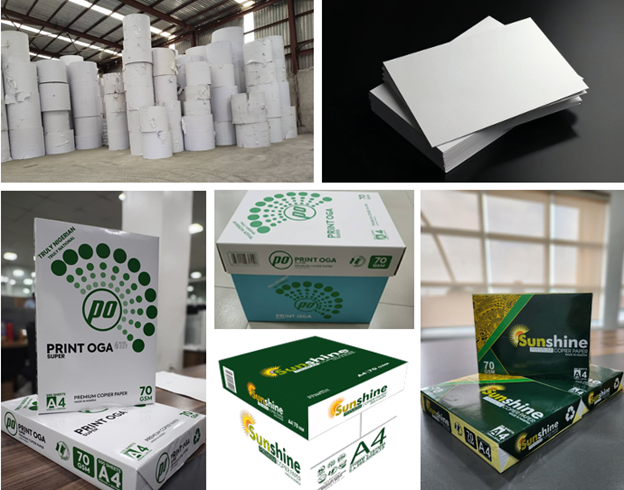
In every modern office, copier paper is one of the most frequently used operational supplies. From invoices and contracts to reports, proposals, training materials, and internal documentation, businesses rely heavily on consistent, high-quality printing every single day.
However, many organizations make the mistake of purchasing copier paper based solely on price. While lower prices may appear attractive initially, poor-quality paper can create hidden operational costs through paper jams, wasted prints, equipment damage, poor presentation quality, and reduced workplace efficiency.
For businesses that print regularly, buying copier paper in bulk is not just a procurement decision — it is an operational efficiency decision.
Whether you run a corporate office, school, printing press, HR firm, logistics company, government institution, or SME, understanding what to look for before purchasing copier paper in bulk can save your business time, money, and unnecessary stress.
Why Copier Paper Quality Matters for Businesses
The quality of copier paper directly affects:
- Printer performance
- Printing speed
- Document presentation
- Toner and ink efficiency
- Equipment lifespan
- Staff productivity
- Customer perception
A single paper jam during high-volume printing can interrupt workflow, delay deadlines, and increase maintenance costs. Over time, low-quality paper contributes to dust accumulation inside printers, increased wear on rollers, and frequent servicing.
This is why businesses should prioritize reliability, consistency, and performance when selecting copier paper suppliers.
What Businesses Should Know Before Buying Copier Paper in Bulk
Before buying copier paper in bulk, businesses should evaluate more than just price. The right paper improves printing efficiency, reduces machine downtime, and protects equipment life. Key points to consider include:
- Paper GSM & Thickness – Ensure the paper weight matches office printing needs. Standard copier paper is usually 70–80 GSM for smooth daily use.
- Brightness & Whiteness – Higher brightness delivers sharper text, better image quality, and professional-looking documents.
- Jam-Free Performance – Low-quality paper creates dust, curling, and frequent paper jams, increasing maintenance costs and productivity loss.
- Moisture Resistance – Paper must withstand humidity without curling or sticking, especially in tropical climates.
- Smoothness & Print Compatibility – Good surface smoothness improves toner adhesion and ink absorption for clean printing.
- Bulk Supply Reliability – Choose suppliers with consistent quality and uninterrupted availability to avoid operational disruptions.
- Packaging Quality – Strong moisture-proof packaging protects paper during storage and transportation.
- Cost vs Value – Cheapest paper often leads to higher hidden costs through wastage, printer damage, and poor print output.
- Environmental Compliance – Prefer responsibly manufactured paper that meets sustainability and quality standards.
- Local Manufacturing Advantage – Supporting locally manufactured copier paper improves supply security, faster delivery, and strengthens industrial growth.
Common Mistakes Businesses Make When Buying Copier Paper
Many businesses unknowingly increase their operational costs because they overlook important quality indicators during procurement.
Some common mistakes include:
1. Choosing Price Over Performance
Extremely cheap copier paper often sacrifices consistency and durability. Businesses may save money upfront but lose more through wasted prints, damaged equipment, and lower productivity.
2. Ignoring Printer Compatibility
Different printers and copiers perform better with specific paper grades. Using unsuitable paper may reduce print quality and increase machine wear.
3. Buying Without Testing
Before committing to large-volume purchases, businesses should test paper performance across their printers and copiers to confirm compatibility and consistency.
4. Poor Storage Practices
Even high-quality paper can deteriorate if stored improperly. Paper should be kept in dry, cool environments away from moisture and direct sunlight.
Benefits of Buying Copier Paper in Bulk
Bulk purchasing offers several advantages for businesses with regular printing needs.
Reduced Operational Costs
Buying in larger quantities often lowers the cost per ream and reduces repeated procurement expenses.
Better Supply Consistency
Businesses avoid sudden shortages that can interrupt operations or delay urgent printing tasks.
Improved Workflow Efficiency
Reliable paper quality minimizes printer issues, allowing staff to work more efficiently with fewer interruptions.
Easier Inventory Management
Bulk purchasing helps organizations plan usage more effectively and maintain stable office supplies.
How to Choose the Right Copier Paper Supplier
Selecting the right supplier is just as important as selecting the right paper.
Businesses should evaluate suppliers based on:
- Product consistency
- Delivery reliability
- Stock availability
- Packaging standards
- Customer support
- Competitive wholesale pricing
- Ability to handle large-volume orders
- Local distribution efficiency
Long-term supplier relationships help businesses maintain predictable quality and stable operations.
Copier Paper and Business Image
The appearance of printed documents influences how clients, partners, and stakeholders perceive your business.
Clean, bright, professional-looking documents reflect:
- Attention to detail
- Professionalism
- Operational excellence
- Brand quality
Poor-quality paper, faded prints, or smudged documents can negatively affect business perception, especially during presentations, proposals, contracts, and official communications.
Conclusion
Buying copier paper in bulk should never be treated as a simple commodity purchase. The right paper supports operational efficiency, protects office equipment, improves print quality, and reduces long-term business costs.
Businesses that prioritize quality, reliability, and supplier consistency will experience smoother operations, fewer printing problems, and better overall productivity.
When evaluating copier paper suppliers, focus on long-term value rather than short-term savings. In many cases, investing in quality paper ultimately costs less than dealing with the hidden expenses caused by poor-quality alternatives.
