
Future Trends in Steelmaking Technology (2026–2030)
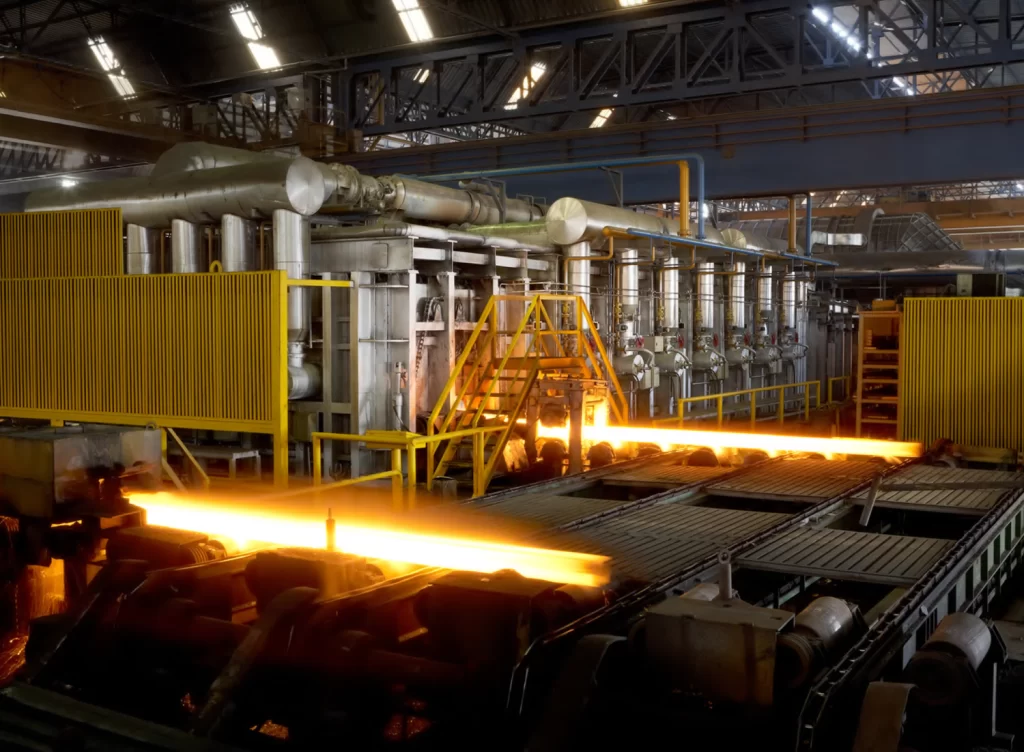
The global steel industry is entering a new era of transformation. In steelmaking technology, as industries across the world push for sustainability, efficiency, and smarter manufacturing processes, steelmakers are rapidly adopting advanced technologies to remain competitive and environmentally responsible.
Between 2026 and 2030, steel production is expected to evolve significantly through cleaner energy sources, digital innovation, automation, and circular economy practices. These changes will not only reshape how steel is produced but also redefine the future of manufacturing, construction, automotive production, and infrastructure development globally.
The Future of Steelmaking Technology: Key Trends to Watch
1. Rise of Green Steel Technologies
One of the most significant shifts in the steel industry is the move toward Green Steel production. Traditional steelmaking heavily relies on coal-based blast furnaces, which contribute substantially to global carbon emissions.
Future steel plants are expected to increasingly adopt hydrogen-based steelmaking technologies, where hydrogen replaces coal in the reduction process. This innovation drastically reduces CO₂ emissions and aligns with global climate goals and net-zero commitments.
Countries and major steel producers are already investing billions into green hydrogen infrastructure to support cleaner steel production.
2. Expansion of Electric Arc Furnaces (EAF)
Electric Arc Furnaces (EAF) are becoming more popular due to their energy efficiency and environmental benefits. Unlike traditional blast furnaces, EAFs primarily use recycled scrap steel, making production more sustainable and reducing dependence on raw iron ore.
The expansion of EAF technology will:
- Lower energy consumption
- Reduce greenhouse gas emissions
- Promote steel recycling
- Support circular economy initiatives
As electricity grids become greener through renewable energy, EAF steelmaking technology will become even more environmentally friendly.
3. Artificial Intelligence (AI) and Automation in Steel Production
Artificial Intelligence and automation are expected to play a major role in the future of steel manufacturing.
Steel plants are increasingly adopting AI-powered systems for:
- Predictive maintenance
- Process optimization
- Automated quality control
- Production forecasting
- Equipment monitoring
These technologies help manufacturers reduce downtime, improve product consistency, increase efficiency, and lower operational costs.
Automation and robotics will also improve workplace safety by minimizing human exposure to hazardous production environments.
4. Improved Energy Efficiency and Smart Energy Management
Energy consumption remains one of the biggest operational challenges in steel production. Over the next five years, manufacturers will place greater focus on improving energy efficiency through advanced systems and technologies.
Key developments include:
- Waste heat recovery systems
- Smart energy management solutions
- Real-time energy monitoring
- Optimization of furnace operations
These innovations will help steel companies reduce costs while improving environmental sustainability.
5. Development of High-Strength and Lightweight Steel
Future demand for stronger, lighter, and more durable steel products will continue to rise, especially in sectors such as:
- Automotive manufacturing
- Infrastructure development
- Aerospace
- Renewable energy projects
Advanced high-strength steel grades will allow manufacturers to produce lighter vehicles and structures without compromising safety or durability. This contributes to fuel efficiency, reduced emissions, and improved performance across industries.
6. Industry 4.0 and Smart Steel Factories
The integration of Industry 4.0 technologies is transforming traditional steel plants into smart manufacturing facilities.
Steel companies are increasingly adopting:
- IoT sensors
- Robotics
- Real-time production monitoring
- Cloud computing
- Data analytics
- Digital twins
These technologies provide real-time visibility into operations, improve decision-making, and enable faster responses to production challenges.
Smart factories will become more connected, intelligent, and efficient in the years ahead.
7. Increased Recycling and Circular Economy Practices
Sustainability efforts are driving greater emphasis on recycling and circular production models within the steel industry.
Steel is one of the most recyclable materials globally, and future production strategies will increasingly focus on:
- Maximizing scrap steel utilization
- Reducing raw material dependency
- Minimizing industrial waste
- Promoting resource efficiency
Circular economy practices will not only reduce environmental impact but also strengthen supply chain resilience.
8. Carbon Capture and Emission Reduction Technologies
With stricter environmental regulations and global sustainability targets, steelmakers are investing heavily in carbon capture and emission reduction technologies.
Future advancements may include:
- Carbon capture, utilization, and storage (CCUS)
- Low-carbon production methods
- Cleaner fuel alternatives
- Advanced emission control systems
These technologies will help the industry move closer to carbon neutrality while maintaining large-scale steel production capacity.
Conclusion
The future of steelmaking technology between 2026 and 2030 will be defined by innovation, sustainability, and digital transformation. From hydrogen-powered production and AI-driven automation to smart factories and circular economy practices, the industry is evolving rapidly to meet modern environmental and economic demands.
These advancements will make steel manufacturing cleaner, smarter, more cost-effective, and globally competitive. Companies that embrace these technologies early will be better positioned to lead the next generation of industrial growth and sustainable manufacturing.
