
Cassava Starch: A Sustainable Solution for Modern Packaging
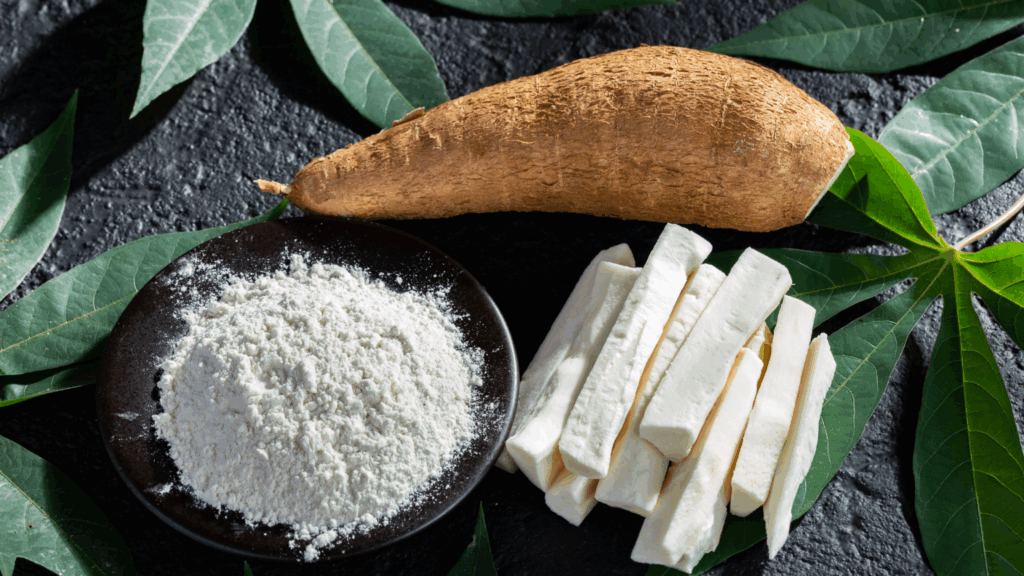
As industries worldwide seek environmentally responsible alternatives to synthetic and petroleum-based materials, cassava starch is emerging as a valuable resource in modern packaging. Derived from the roots of the cassava plant, this renewable and biodegradable material is helping manufacturers improve sustainability while maintaining product performance and quality.
A Renewable Resource with Growing Importance
Cassava is widely cultivated in many tropical countries and is one of the most abundant agricultural crops. The starch extracted from cassava roots offers a renewable and locally available raw material that can reduce dependence on imported chemicals and fossil-fuel-based additives used in packaging production.
Enhancing Paper and Corrugated Packaging
In the paper and corrugated packaging industry, cassava starch plays a critical role as a binder, surface-sizing agent, and adhesive. It improves paper strength, enhances printability, and contributes to better bonding of corrugated boards. These properties help manufacturers produce durable packaging solutions while reducing their environmental footprint.
Supporting the Circular Economy
One of the key advantages of cassava starch is its biodegradability. Unlike many synthetic materials, starch-based products can naturally decompose, making them more compatible with circular economy principles. The use of cassava starch supports sustainable packaging systems that prioritize resource efficiency, recyclability, and waste reduction.
Reducing Environmental Impact
As consumers and regulators increasingly demand eco-friendly packaging, cassava starch offers a practical solution for lowering the environmental impact of packaging materials. Its renewable origin and lower carbon footprint make it an attractive alternative for manufacturers committed to sustainable production practices.
Creating Value for Local Agriculture
The growing use of cassava starch in packaging also creates opportunities for farmers and rural communities. By linking agriculture with industrial manufacturing, countries can strengthen local supply chains, generate employment, and promote inclusive economic growth.
Cost-Effective and Versatile
Cassava starch is not only sustainable but also highly versatile. It can be used in paper manufacturing, corrugated board production, packaging adhesives, and emerging biodegradable packaging applications. Its availability and competitive cost make it an increasingly attractive option for manufacturers seeking both performance and sustainability.
Looking Ahead
As the packaging industry continues its transition toward greener materials, cassava starch is poised to play an even greater role. Its combination of renewability, functionality, biodegradability, and local availability makes it a strong candidate for the future of sustainable packaging.
Conclusion
Cassava starch represents more than just an agricultural product—it is a sustainable industrial solution. By integrating cassava starch into modern packaging applications, manufacturers can improve product performance, reduce environmental impact, support local agriculture, and contribute to a more sustainable and resilient packaging industry.
